LANDMARK MATTER
A Courtroom, Two Women, and a Question India Could No Longer Ignore
A 2011 Gurgaon protection matter that brought national attention to
personal liberty, honour-based threats and the right of consenting
adults to live without fear.
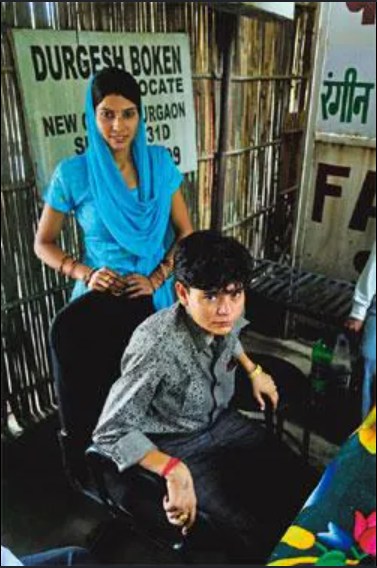
Publicly reported image from the 2011 Gurgaon protection matter involving Savita and Veena.
In July 2011, long before conversations around same-sex marriage
had entered mainstream legal discourse in India, a young couple
from western Uttar Pradesh arrived in Gurgaon seeking something
far more fundamental than recognition — they sought safety.
Savita and Veena, two women who wished to build a life together,
alleged that they faced severe threats from family members and
feared becoming victims of an honour killing.
They approached the Gurgaon court seeking protection and the right
to live without fear.
Advocate Durgesh Boken represented the couple in subsequent
proceedings as the matter gained national attention and sparked
conversations across the country.
"The Constitution protects individuals, even when society struggles
to understand their choices."
Why This Case Became Significant
The matter was widely reported by the national media and was often
described as India's first lesbian marriage case.
Legally, however, the proceedings became significant because the
court recognised the couple's right to protection and their right
to live together as consenting adults.
At a time when conversations around LGBTQ+ rights remained socially
contested, the case stood for larger constitutional principles of
liberty, dignity and personal choice.
Threats and Protection
The couple alleged that they faced intense pressure and threats
from relatives and community members because of their relationship.
The court's intervention therefore became not merely a legal
development, but a statement against violence and coercion.
Reports from the period indicate that the couple was moved to a
secure location due to safety concerns and later expressed a desire
to return to their native place.
Timeline
📍 July 2011 — Couple enters into a relationship and seeks legal protection.
📍 Gurgaon Court grants police protection against threats.
📍 National media reports the matter as a landmark case involving a same-sex couple.
📍 The case becomes an important chapter in India's evolving conversation on equality, dignity and personal liberty.
Legacy
More than a decade later, the case remains an important milestone
in India's broader conversation surrounding individual freedom and
the right of consenting adults to make personal choices.
For Advocate Durgesh Boken, the matter represents one of the
profession's most fundamental duties — ensuring that every person,
irrespective of social acceptance or personal circumstances, can
seek protection under the law and have their voice heard before the
courts.